4 min read
⏱ 4 min read
How Pet Technology is Changing Animal Care is a question many pet owners ask as new technology enters the market. Modern pet tech solutions can genuinely improve your companion’s health, safety, and happiness when chosen wisely. Here is what veterinary experts and experienced pet owners recommend.
When Sarah’s 12-year-old golden retriever Max started drinking more water than usual, she almost dismissed it as normal aging. However, her smart collar’s activity tracker had been logging the behavior for weeks, and the data revealed a concerning pattern. A veterinary visit confirmed early-stage kidney disease; it was detected earlier than traditional methods might have allowed. This scenario illustrates how pet technology has evolved from simple convenience gadgets to health management tools that may help save lives. Sensors, artificial intelligence, and veterinary expertise are creating possibilities for pet care that seemed like science fiction just a few years ago.

Real-Time Health Insights Change Everything

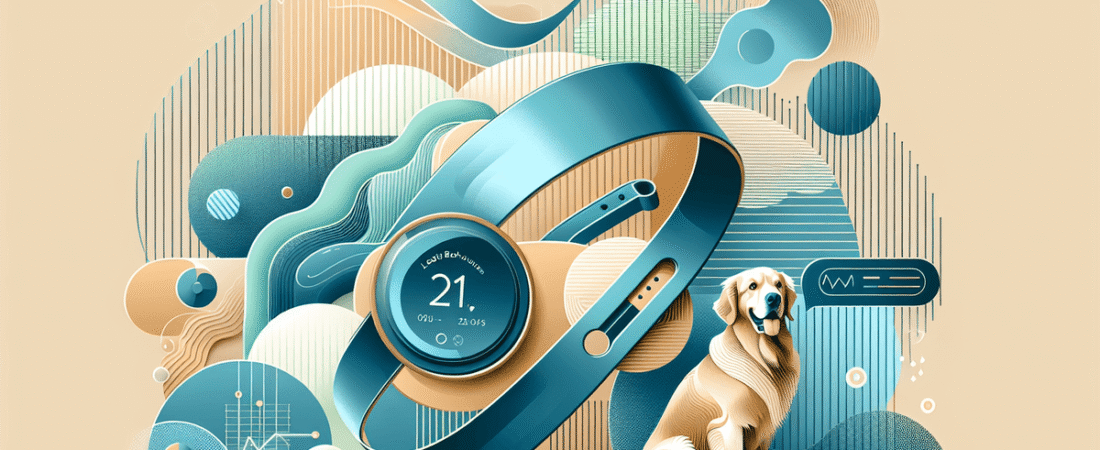
Smart collars and wearable devices monitor heart rate, activity levels, sleep patterns, and behavioral changes with notable precision. They function as comprehensive diagnostic tools that track subtle health indicators continuously, rather than just simple step counters. The FitBark GPS monitors various health metrics and detects irregular heartbeats or temperature fluctuations that may indicate illness. When connected to veterinary networks, this data provides doctors with weeks or months of baseline information; they can identify health trends that might be missed during brief office visits. For pets with chronic conditions like diabetes or arthritis, continuous monitoring can be invaluable. Owners may track medication effectiveness, identify pain flare-ups, and adjust treatment plans based on objective data rather than guesswork.
Feeding Technology Gets Personal
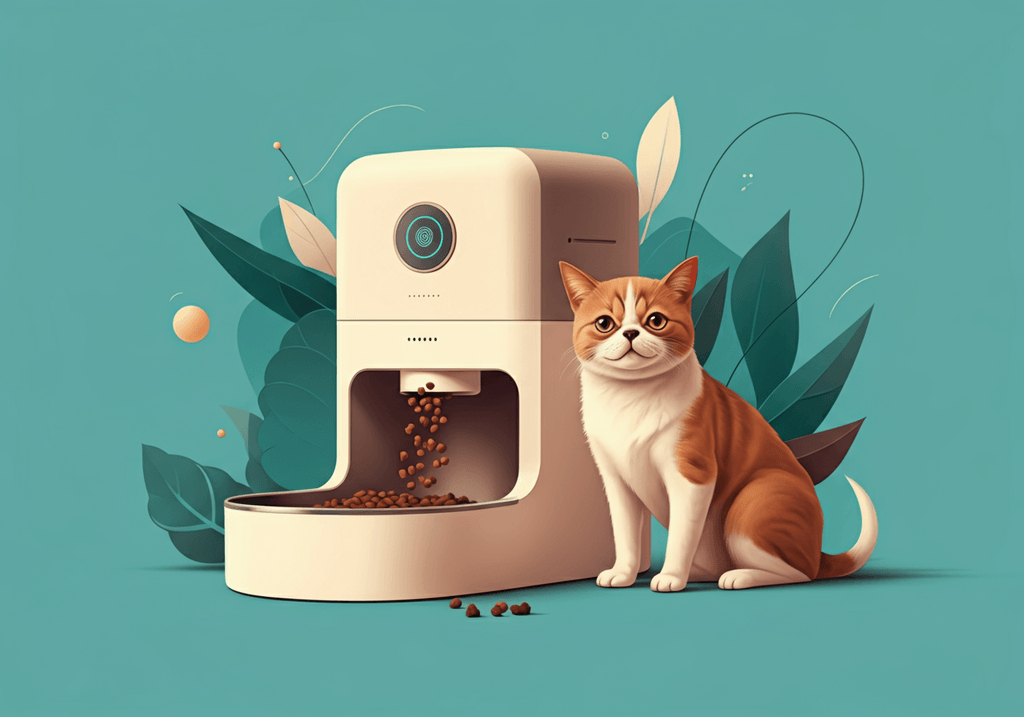
Smart feeders address a common issue in multi-pet households; they help ensure each animal gets the right food in the right amounts. Food stealing, portion control for overweight pets, and dietary restrictions can become more manageable. The SureFlap Microchip Pet Feeder reads each pet’s unique microchip and dispenses their specific diet accordingly. This helps prevent cross-feeding, manages portion control for overweight pets, and ensures animals with allergies or medical conditions receive appropriate nutrition. More advanced systems like the Petnet SmartFeeder connect to veterinary databases and may adjust portions based on the pet’s age, weight, activity level, and health status. When a pet’s appetite changes significantly, often an early sign of illness, these systems can alert owners promptly.
Location Technology Provides Peace of Mind
GPS tracking has evolved beyond simple “find my pet” functionality to become part of comprehensive safety networks. Modern trackers like the Whistle GO Explore create virtual boundaries around safe areas and send alerts when pets wander beyond designated zones. These systems have proven especially valuable during emergencies. When Hurricane Ian hit Florida in 2022, pet tracking networks helped reunite many separated animals with their families by providing real-time location data to rescue organizations. The technology integrates with local animal control and veterinary networks. If a tracked pet goes missing, their information can automatically share with relevant authorities, potentially improving recovery odds.
Entertainment Meets Mental Health
Boredom and anxiety in pets can lead to destructive behavior, health problems, and reduced quality of life. Smart toys and environmental systems address these psychological needs directly. The Petcube Bites 2 allows owners to interact with pets remotely through two-way audio and video while dispensing treats as rewards. This technology can be particularly beneficial for pets with separation anxiety; it may provide comfort and stimulation when owners are away. AI-powered puzzle feeders adapt to individual pets’ problem-solving abilities, ensuring appropriate mental challenges. These devices track which puzzles pets solve quickly and which may cause frustration, automatically adjusting difficulty levels to maintain engagement without causing stress.
Environmental Control Creates Optimal Conditions
Climate and lighting systems designed specifically for pets address species-specific needs that standard home automation may overlook. Reptiles require precise temperature gradients; birds need specific light spectrums to maintain healthy circadian rhythms. Smart thermostats like the Nest Pet maintain different temperature zones throughout a home, ensuring optimal comfort for various species. Automated lighting systems gradually adjust brightness and color temperature throughout the day, potentially promoting better sleep patterns and reducing stress-related behaviors.
Veterinary Integration Transforms Care Delivery
Pet technology integrates most effectively with professional veterinary care. Platforms like AirVet enable remote consultations using high-resolution cameras and diagnostic tools, which may reduce stress for anxious animals while providing professional guidance for minor health concerns. Chronic disease management has been notably improved through remote monitoring. Diabetic cats can have their glucose levels tracked continuously, with data shared directly with veterinary teams. This allows for medication adjustments without frequent clinic visits, potentially improving both pet comfort and treatment outcomes.
Choosing Technology That Actually Helps
Identify specific problems rather than pursuing gadgets for novelty. A hyperactive dog may benefit from interactive toys and activity tracking; an elderly cat with kidney disease might need health monitoring and environmental controls. Cost extends beyond initial purchase prices. Many advanced systems may require monthly subscription fees for data services, cloud storage, and veterinary network access. The Whistle Health tracker costs $149 initially but may require a $9.95 monthly subscription for full functionality. Pet temperament influences technology success. Some animals adapt quickly to wearable devices; others may find them stressful. Starting with less invasive options like smart feeders or environmental controls can produce better results than immediately introducing wearable technology. Successful implementations aim to solve genuine problems while integrating seamlessly into existing routines. Whether addressing separation anxiety, managing chronic health conditions, or ensuring adequate exercise, effective pet technology may deliver measurable improvements in animal welfare and owner confidence.
Want to learn more? Explore our latest articles on the homepage.
Enjoyed this pets & pet tech article?
Get practical insights like this delivered to your inbox.
Subscribe for Free